

In this article
You’re roasting sweet potatoes for dinner when your dog appears at your feet, nose twitching, eyes locked on that orange goodness. And you think: can they have some?
Short answer: Yes. Longer answer: Yes, and you should make sweet potatoes a regular part of their diet.
This unassuming root vegetable isn’t just safe for dogs – it’s genuinely packed with nutrients that support everything from digestive health to brain function. But like anything you share with your pup, there’s a right way and a wrong way to do it.

What Makes Sweet Potatoes So Special
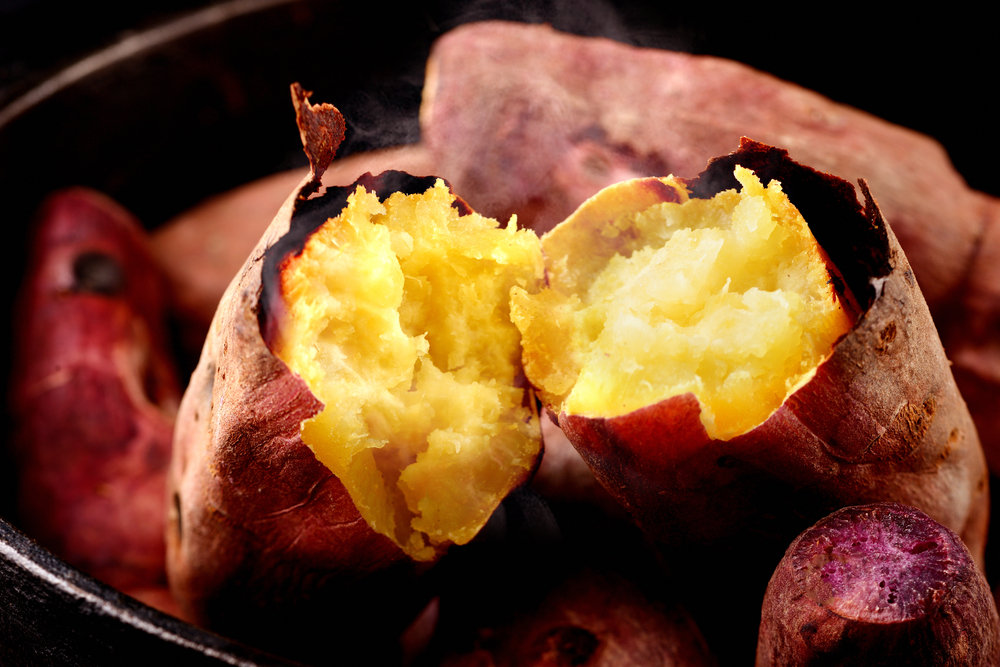
That vibrant orange color isn’t just pretty – it’s beta carotene, the same powerful antioxidant found in carrots and tomatoes. Beta carotene protects cells from damage and supports heart health, but here’s where it gets interesting for dogs: their bodies can convert it directly into vitamin A.
That conversion means better vision, healthier skin and gums, stronger bones, and proper nerve and muscle function. Essentially, every bite delivers a mini wellness boost that your dog’s body knows exactly what to do with.
The Fiber Factor
Sweet potatoes are loaded with fiber, which does more than just keep things moving smoothly through your dog’s digestive system. Fiber feeds beneficial gut bacteria while keeping the troublemakers in check, which means less gas, better nutrient absorption, and a more comfortable pup overall.
But here’s something many dog owners don’t realize: fiber is also a secret weapon for weight management. Nearly 30% of dogs in North America are overweight, and fiber-rich foods help dogs feel satisfied while consuming fewer calories. For dogs with diabetes, that fiber slows digestion and carbohydrate absorption, helping stabilize blood sugar levels naturally.
The Immunity Angle
Sweet potatoes are rich in vitamin C, a powerful antioxidant that reduces inflammation and supports cognitive function. Now, dogs can produce their own vitamin C, so true deficiency is rare. But adding a little extra from natural sources can still be beneficial – especially for senior dogs or those with compromised immune systems.
Think of it as topping off the tank. Your dog’s body is already making vitamin C, but a little boost from whole food sources doesn’t hurt, particularly when it comes packaged with all these other nutrients.

Potassium for Energy and Heart Health
One large sweet potato contains nearly 500 milligrams of potassium – a mineral that’s absolutely vital for nerve function, muscle contraction, and heart rhythm. When dogs don’t get enough potassium, they can become lethargic, lose their appetite, or even start losing muscle mass.
Potassium is basically the spark plug for your dog’s entire system. Including sweet potatoes helps keep their muscles strong, their heart healthy, and their energy consistent.
Brain Health That Lasts
Vitamin B6 might not get as much attention as some other nutrients, but it’s crucial. It supports metabolism, nervous system function, and the production of hemoglobin – the protein that carries oxygen in the blood. Without adequate B6, your dog’s energy and organ function suffer.
There’s also evidence that B6 helps regulate homocysteine, a compound linked to cognitive decline. Maintaining healthy B6 levels supports brain health and helps keep your dog mentally sharp as they age.

The Rules for Serving Sweet Potatoes Safely
All these benefits disappear if you serve sweet potatoes the wrong way. Here’s what you need to know.

Never Serve Them Raw
Raw sweet potatoes are hard to chew, difficult to digest, and can pose a choking hazard. Always cook them first – boiling, steaming, or dehydrating all work great. The goal is making them soft and easily digestible.
Skip The Canned Versions
Canned sweet potatoes often contain preservatives, added sugars, or seasonings that aren’t dog-safe. Stick with fresh sweet potatoes – look for firm ones with smooth, unblemished skin. Always wash them thoroughly before cooking to remove dirt and potential pesticide residues.
Watch Your Portions
Too much of even a healthy food can cause problems. The high fiber content can lead to stomach upset or diarrhea if you overdo it. And because sweet potatoes are also high in carbohydrates, overfeeding can contribute to weight gain or blood sugar spikes, especially in diabetic dogs. A small serving a few times a week is plenty for most dogs.

Start Slow and Watch for Reactions
Like any new food, introduce sweet potatoes gradually. Start with a small amount and monitor your dog for any signs of digestive upset, such as gas, loose stools, or vomiting. If they tolerate it well, you can gradually increase the serving size.
Some dogs love sweet potatoes immediately. Others need a few tries to warm up to the taste and texture. Either way, remember that sweet potatoes are a supplement to a balanced diet, not a replacement for it. Treat them as an occasional snack or healthy addition to regular meals.
Final Thoughts
Sweet potatoes earn their “superfood” reputation honestly. They’re packed with fiber, antioxidants, vitamins, and minerals that support your dog’s digestion, immunity, heart health, and brain function, all in one humble orange package.
Serve them cooked, keep portions reasonable, and introduce them slowly. Do that, and you’ve got a nutritious treat that’s genuinely good for your dog and not just something they think tastes good.
And that tail-wagging enthusiasm when you pull out the sweet potatoes? That’s just a bonus.
Feature Image Credit: Narsil, Shutterstock
Did You Know?
- Our brand-new posts are rounded up and included in our weekly emails. Don’t miss out on the latest – sign up for our newsletter below!