
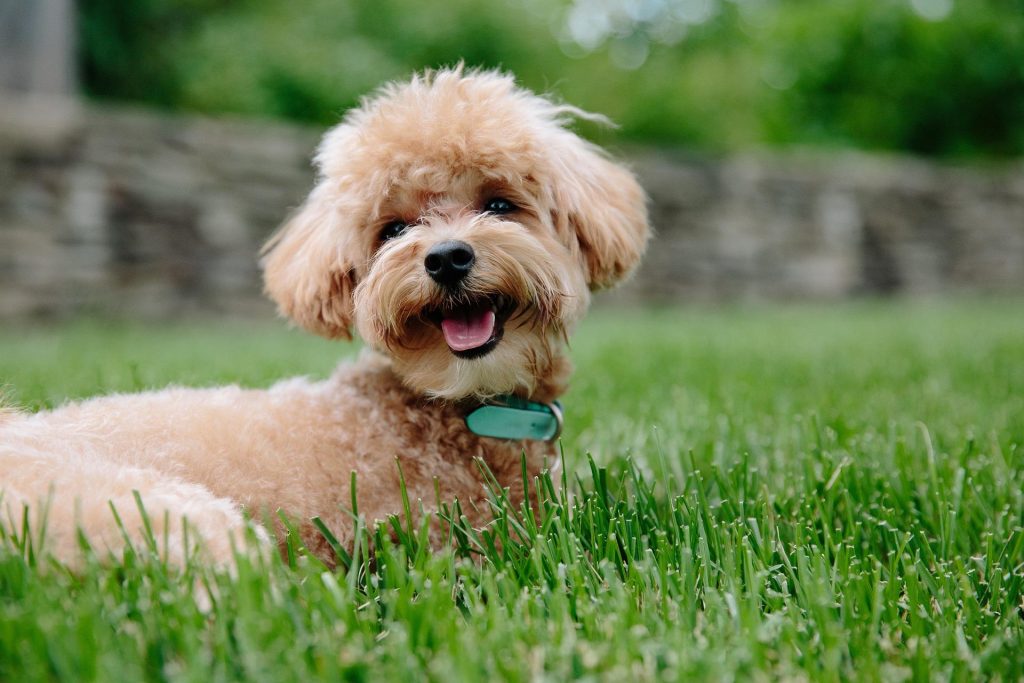
Have you noticed your furry companion spending more time curled up on the couch when winter arrives? You’re not imagining things! Many dogs do become sleepier during cold weather, and there are several interesting reasons behind this seasonal behavior change.
The Science Behind Winter Sleepiness
Just like humans, dogs respond to changes in their environment, including temperature and daylight hours. When the weather turns cold, dogs naturally adapt their energy levels and activity patterns. This isn’t necessarily a bad thing—it’s actually a normal response to seasonal changes.
During colder months, days become shorter, which means less natural sunlight. This affects melatonin production in your dog’s body. Melatonin is a hormone that helps regulate sleep cycles. More darkness equals more melatonin, which can make your canine companion feel drowsier throughout the day.
Energy Conservation Mode
Cold weather requires more energy for dogs to maintain their body temperature. When it’s chilly outside, your dog’s body works harder just to stay warm. This extra effort can be tiring, leading to increased rest periods. Think of it like your dog’s body going into a mini energy-saving mode—similar to how some animals experience seasonal changes in activity levels.
Less Outdoor Activity
Winter weather often means shorter walks and less outdoor playtime. Rain, snow, ice, and freezing temperatures can limit your dog’s usual exercise routine. Without their regular physical activity, dogs don’t burn as much energy, which can result in more napping and lounging around the house.
Cozy Comfort
Let’s face it—when it’s cold outside, everyone wants to snuggle under a warm blanket! Dogs are no different. The cold weather simply makes resting in a warm, comfortable spot more appealing than being active. Your pup might choose their cozy bed over playtime when temperatures drop.
When to Talk to Your Veterinarian
While increased sleepiness in cold weather is usually normal, it’s important to watch for other concerning signs. If your dog shows extreme lethargy, refuses to eat, seems confused, or displays other unusual behaviors, these could indicate a health problem rather than simple seasonal tiredness.
Older dogs, in particular, need closer attention during weather changes. Senior dogs may experience various age-related conditions that could be confused with weather-related sleepiness. Always schedule regular check-ups with your veterinarian, especially during seasonal transitions.
Keeping Your Dog Engaged
Even though winter sleepiness is normal, your dog still needs mental and physical stimulation. Consider indoor activities like puzzle toys, training sessions, and short outdoor walks when weather permits. These activities help maintain your dog’s health and happiness throughout the colder months.
Remember, every dog is different, and what’s normal for one may not be for another. When in doubt, consult with your veterinarian about your dog’s behavior changes to ensure they’re healthy and happy all year round!
The post Is Your Dog Sleepier in Winter? Here’s Why appeared first on Animal Wellness Magazine.