
Dog shelters across the country are overwhelmed. Right now, fostering is one of the most effective ways to help rescue organizations free up space and resources for dogs in crisis.
At DogingtonPost, we’ve put together this guide to show you exactly how to foster dogs-from preparing your home to building trust with your temporary companion. Whether you’re a first-time foster or looking to refine your approach, you’ll find practical steps that work.
What Fosters Actually Do for Dogs and Shelters
How Foster Homes Solve the Shelter Crisis
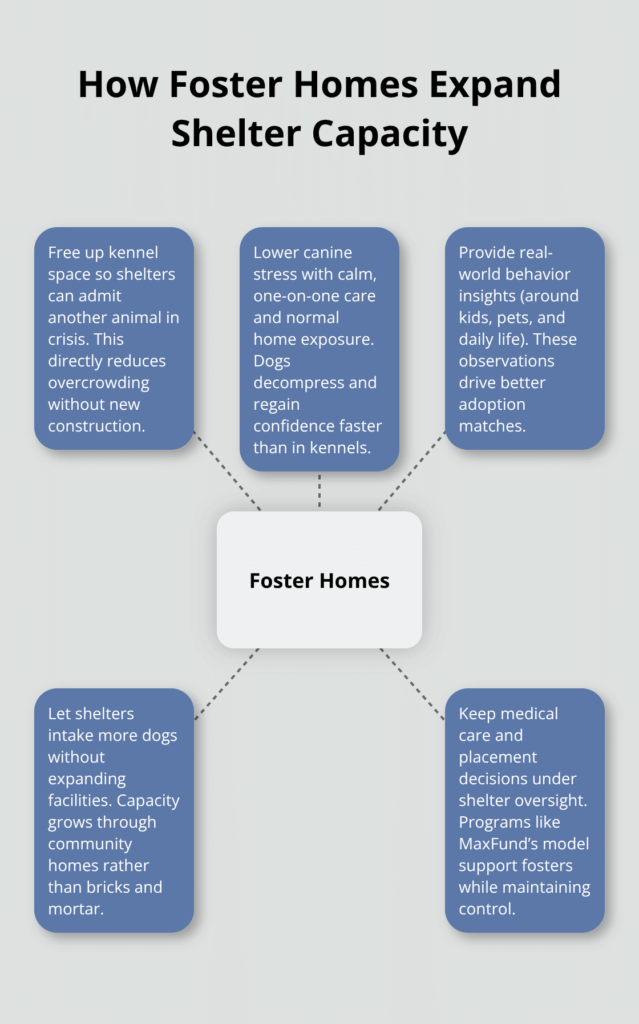
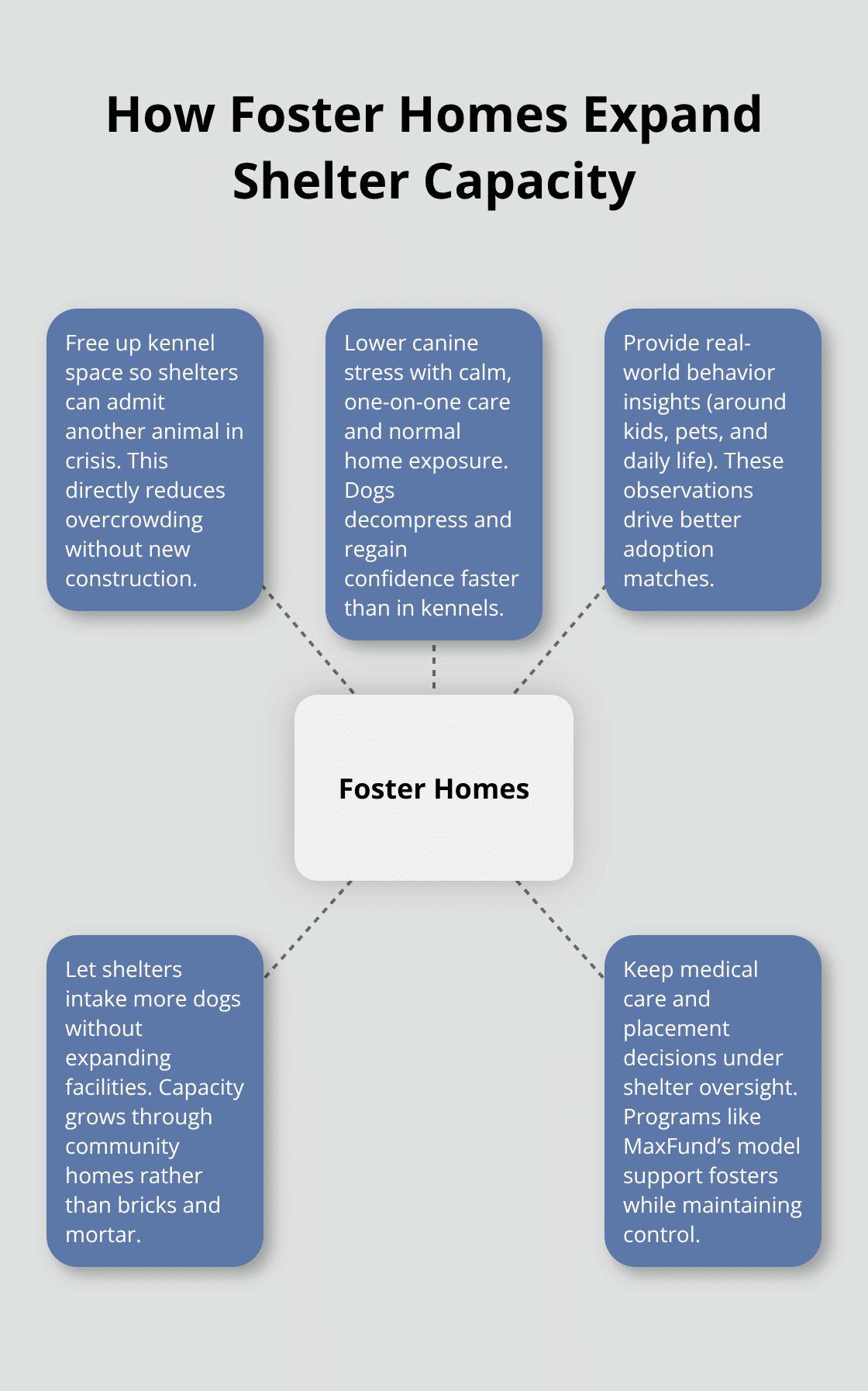
Foster homes solve a concrete problem that shelters face every single day: space and resources run out. When a dog arrives at a shelter, it occupies a kennel, requires staff time, and consumes food and medical supplies. A foster home removes that dog from the shelter equation entirely, freeing up space for another animal in crisis. MaxFund in Denver has operated its foster program since 1988 and demonstrates exactly how this works-their Foster Coordinator and Veterinary Technician support foster families while the shelter itself maintains control over the dog’s medical care and placement. This structure matters because it means shelters can intake more dogs without expanding their physical facilities.
Why Dogs Thrive in Foster Homes
The dogs benefit equally from foster placement. A shelter kennel creates stress through noise, confinement, and limited human interaction. Foster homes provide the opposite: one-on-one attention, a calm environment, and exposure to normal home life. A dog recovering from surgery or showing anxiety in a shelter thrives in a foster home where it can decompress and regain confidence. Puppies especially gain from foster placement because they need socialization with people and other animals before adoption-something nearly impossible in a kennel setting.
The Information Foster Families Provide
Foster families become the shelter’s eyes and ears, observing how a dog behaves around children, other pets, and in real situations. That information is invaluable when matching dogs to permanent homes. Foster caregivers document a dog’s reactions in different contexts, which helps rescue organizations identify possible triggers and place dogs with families that fit their needs.
Fostering Versus Adoption: Understanding the Difference
The distinction between fostering and adoption matters practically. Fostering is temporary and voluntary; you commit to weeks or months, not years. Adoption is permanent and legal. Fostering carries zero financial burden because shelters typically cover food, supplies, medications, and veterinary care. Adoption requires you to assume all costs and responsibility indefinitely. This difference makes fostering accessible to people who cannot afford permanent pet ownership or aren’t ready for that commitment.
The Ripple Effect of Foster Programs
Some fosters do adopt their dogs-what the rescue community calls a foster fail-but that’s optional. The real impact happens when a foster dog moves into a permanent home with a different family, freeing the foster home to help another dog in need. This cycle matters at scale. For every dog in a foster home, a shelter bed opens for an animal pulled from the streets or surrendered by an owner. Rescue organizations depend on this model to function. Without foster homes, shelters would turn away dogs or euthanize animals they cannot accommodate. With foster homes, they expand capacity without building new facilities. Understanding this foundation prepares you to take the next step: getting your own home ready to welcome a foster dog.
Getting Your Home Ready for a Foster Dog
Before a foster dog arrives, your home needs to shift from human-centered to dog-safe. Secure breakable items, hide electrical cords, and remove anything small enough to swallow. A foster dog doesn’t know your house rules yet, and many test boundaries through chewing or exploring. Create a dedicated space where the dog can decompress during the first week-ideally a separate room with minimal foot traffic, a crate, food and water bowls, and a comfortable bed. This isolation area matters more than people realize.
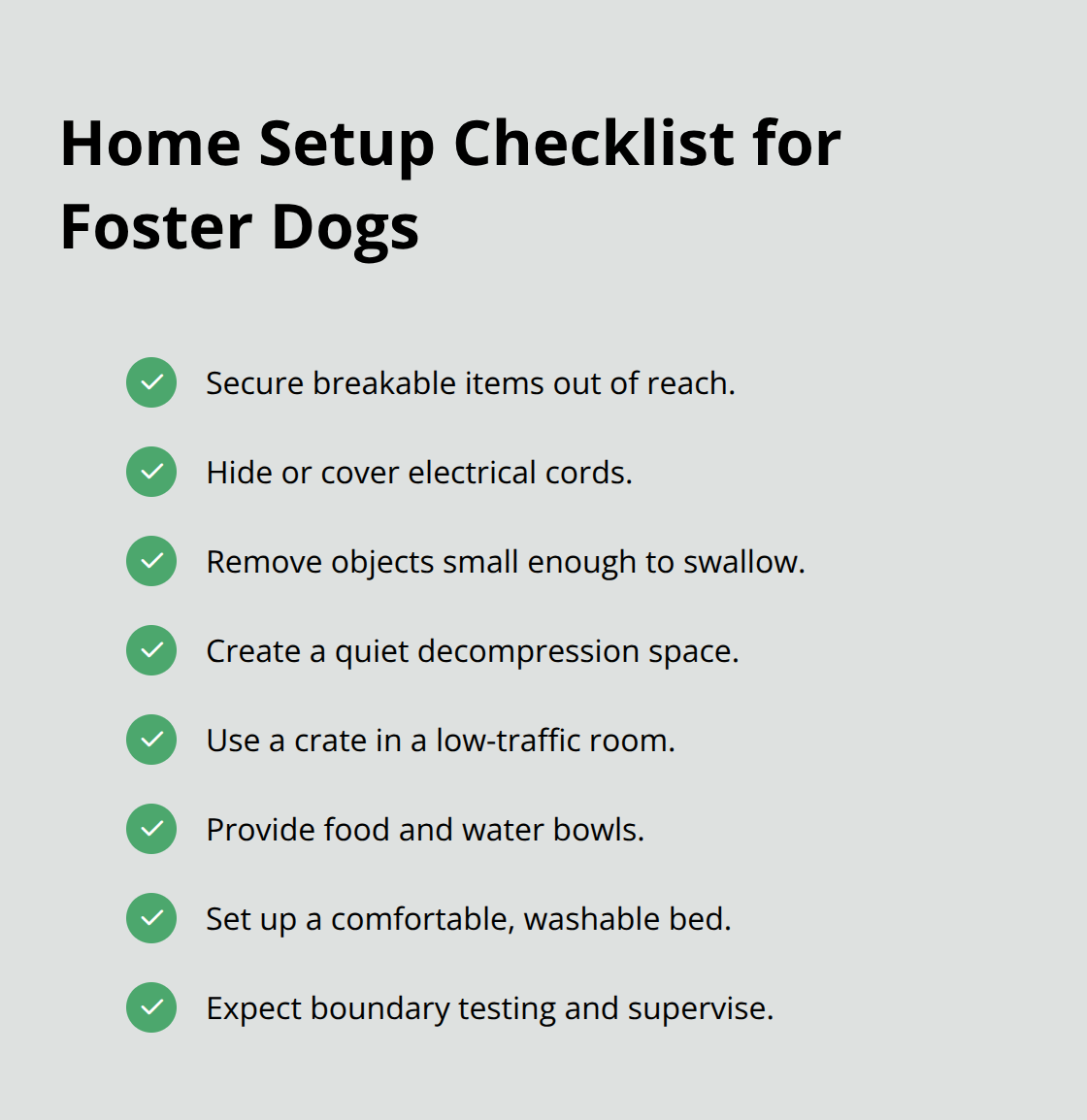
Getting your home ready for a foster dog requires preparation that helps foster pets transition smoothly, and you’ll need space where a stressed or recovering dog can rest without constant stimulation.
Introduce Your Foster Dog Carefully
If you have existing pets, plan neutral-ground introductions carefully. Don’t throw a foster dog directly into your household pack. Instead, let them meet in a hallway or on a walk before entering shared spaces. Supervise every interaction for at least the first two weeks. Keep your resident dog’s routine stable-foster dogs settle faster when they observe calm, established household patterns. Food is another area where people make mistakes. Try to maintain whatever diet the shelter provided; if you need to switch food, consult your veterinarian and consider probiotics like FortiFlora to support digestion during the transition. Some shelters provide food and supplies, while others expect foster families to purchase items, so clarify what’s covered before the dog arrives.
Build a Consistent Daily Routine
A consistent daily routine reduces anxiety dramatically. Feed at the same time every day, schedule walks at predictable hours, and maintain a quiet evening wind-down. Dedicate at least 15 minutes daily to teaching a command or trick-this builds trust and gives the dog mental stimulation. Two walks per day is the minimum for most dogs; this burns energy and provides socialization opportunities once the dog’s vaccines are current. During meals and downtime, use enrichment strategies like puzzle feeders or sniff mats to prevent boredom and destructive behavior. If a foster dog shows anxiety, calming aids like Adaptil diffusers can help, though always consult the shelter before introducing any products.
Monitor Health and Manage Behavior
Track the dog’s eating, bathroom habits, and energy levels, then report changes to the rescue organization immediately. Some behavioral issues emerge during foster care-food guarding, jumping, or anxiety-and the shelter expects you to follow their guidance on training rather than improvise solutions. Prepare yourself for property damage. Foster dogs may chew furniture, scratch doors, or have accidents indoors. Use crates when you’re away, confine the dog to durable spaces, and accept that some wear is part of fostering. Before bringing home a foster dog, discuss regular vaccines and veterinary exams with your veterinarian to ensure your existing pets are protected.
Document and Report Observations
Your observations as a foster become the rescue’s most valuable tool for matching dogs to permanent homes. Document how the dog reacts around children, other pets, loud noises, and strangers. Note triggers, progress with training, and personality quirks. Share regular updates with the shelter-weekly written reports work better than vague verbal updates. This information helps rescues place dogs with families equipped to handle their specific needs, which means fewer returned adoptions and happier outcomes. If you have other pets at home, note how the foster dog interacts with them in different situations. A dog that guards toys might need a household without young children. A dog that shows fear around men might thrive with a single woman or childless couple. These details matter enormously. Be emotionally honest in your reports, even if you’re hoping someone falls in love with the dog. Rescues depend on accuracy to succeed.
Clarify Costs and Responsibilities
Understand what you’re responsible for versus what the shelter covers. Different organizations operate differently, so clarify costs upfront. Some foster families must supply their own crate and bedding; others don’t. Knowing these boundaries prevents frustration and ensures you can commit fully to the foster dog’s care. With your home prepared and expectations clear, you’re ready to welcome your foster dog and begin the daily work that transforms a shelter animal into an adoptable companion.
Caring for Your Foster Dog During Their Stay
Build Trust Through Predictable Routines
Trust builds through consistency, not force. The first week is critical-your foster dog needs predictability to decompress from shelter stress. Feed at the exact same times daily, walk at consistent hours, and maintain a quiet evening routine. A dog that knows when food arrives and when walks happen settles faster than one facing random schedules. Spend at least 15 minutes daily teaching a command or trick; this creates positive interaction and mental engagement without overwhelming a stressed animal. Two walks per day is your baseline for most dogs-this burns physical energy and provides socialization once vaccines are current. During meals, use puzzle feeders or enrichment bowls rather than plain dishes; this slows eating and occupies the dog’s mind. If anxiety emerges, Adaptil diffusers work effectively for many foster dogs, though consult the rescue before introducing any calming product.
Report Behavioral Issues Accurately
Behavioral issues often surface during foster care-food guarding, jumping, or destructive chewing. Don’t improvise solutions. Follow the shelter’s training guidance precisely. Some rescues have specific protocols for managing resource guarding or anxiety, and deviating from their approach confuses the dog and undermines their placement strategy. Document what actually happens rather than what you wish happened. If the dog guards food, report it. If it shows fear around men or children, note that. Your observations directly determine which permanent home will succeed with this dog. Rescues depend on honest reporting to place dogs correctly the first time.
Track Health Changes Daily
Health monitoring requires daily attention to small details that matter enormously. Track eating patterns, bathroom habits, and energy levels-changes signal problems before they become serious. Report any vomiting, diarrhea, or lethargy to the rescue immediately. Most organizations cover veterinary care during their operating hours, so use that resource rather than delaying treatment hoping the issue resolves itself. Some foster dogs arrive with dietary sensitivities; if you switch food from what the shelter provided, introduce probiotics like FortiFlora to support digestion during the transition. Maintain whatever diet the shelter used initially unless the rescue explicitly approves a change.
Provide Detailed Written Updates
Weekly written updates to the rescue organization outweigh vague verbal reports; write down how the dog interacts around children, other pets, loud noises, and strangers. Note specific incidents-did the dog jump on visitors, hide during vacuum cleaning, or show interest in the cat? These details matter far more than general descriptions. A dog that steals food from counters needs a household without young children who might leave snacks accessible. A dog showing fear around unfamiliar people thrives with a quiet single person or couple rather than a family hosting frequent visitors. Your role as a foster is to provide accurate information that enables the rescue to match each dog with a family equipped for success.
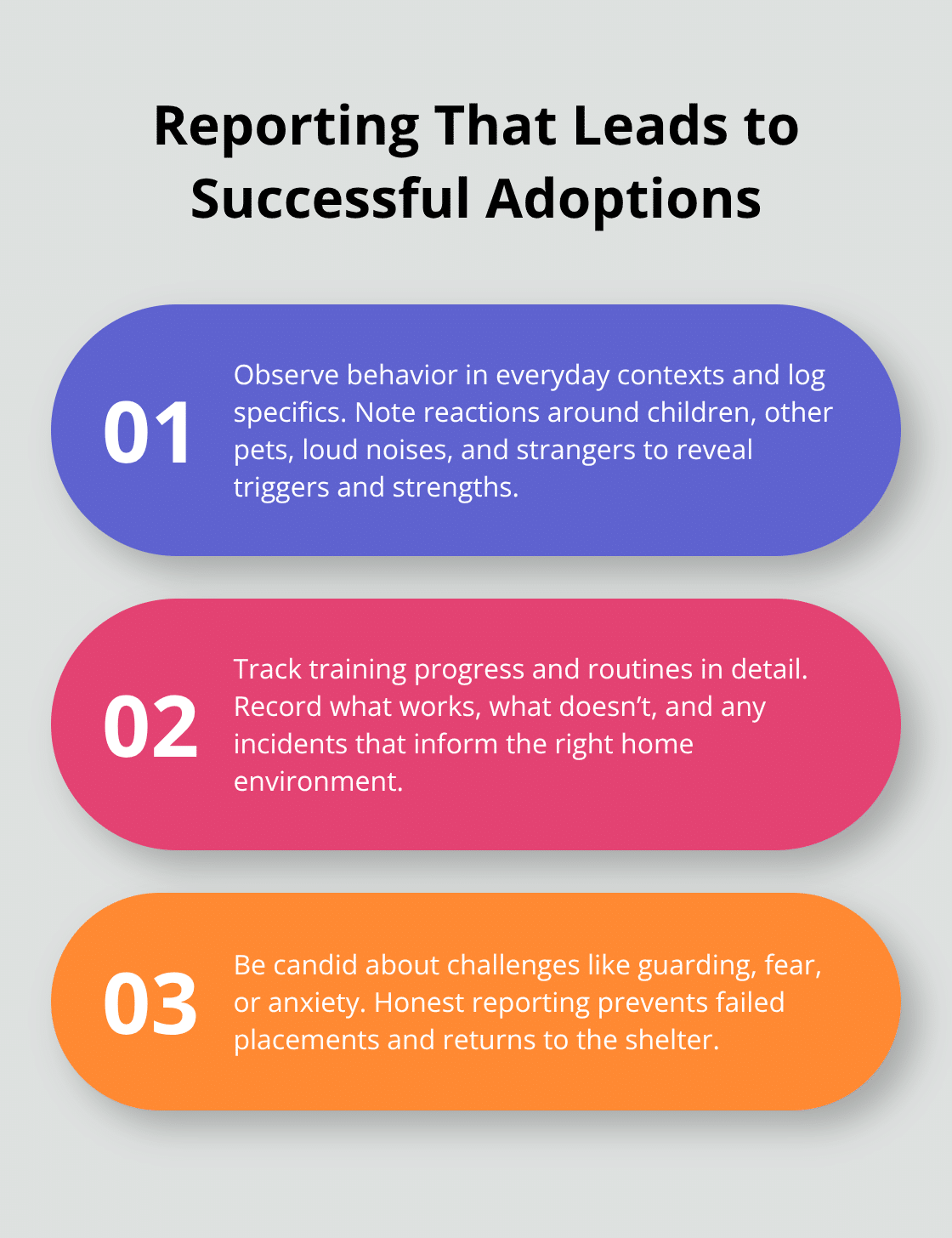
Inaccurate or incomplete reporting leads to adoption failures and dogs returning to the shelter.
Final Thoughts
Fostering a dog transforms two lives simultaneously. The dog gains a safe space to decompress, build confidence, and learn what home life feels like before adoption, while you gain the satisfaction of directly solving the shelter crisis. Each foster dog that moves into a permanent home frees shelter space for another animal in crisis, and this cycle compounds across your community. Your role as a foster extends beyond daily care-the observations you document, the behavioral notes you provide, and the honest updates you share become the foundation for successful adoptions (rescues depend on this information to match dogs with families equipped for their specific needs).
Starting with how to foster dogs begins with contacting your local rescue organization to ask about their foster requirements, what supplies they provide, and what kind of dog matches your household. MaxFund in Denver and similar organizations nationwide have streamlined processes designed to support foster families at every step. Visit DogingtonPost for additional resources on dog care, training, and adoption support as you begin your fostering journey.
The decision to foster is simple: you have space in your home and time in your schedule, while a dog in a shelter has neither. That mismatch is exactly what foster programs solve, and your commitment, however temporary, changes the trajectory of a dog’s life and opens shelter capacity for animals that desperately need it.