

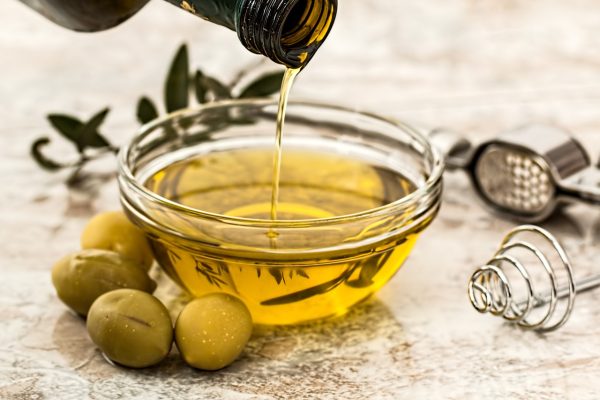
You drizzle it on your salad, cook with it, and probably have a bottle sitting proudly on your counter. Olive oil is celebrated for its heart-healthy fats and antioxidants, but what about your dog? Can your furry friend benefit too, or should olive oil stay on the human side of the kitchen?
Here’s the short answer: yes, dogs can have olive oil, but with care and moderation. Used the right way, it can support digestion, skin health, and overall vitality. Used the wrong way, it can cause tummy upsets or unnecessary weight gain. Let’s dive into what vets say about this trendy canine supplement so you can make the best decision for your pup.

The Facts: Why Olive Oil Can Be Good for Dogs
A Simple Source of Healthy Fat
Olive oil comes from pressing the fruit of the Olea europaea tree, and its extra virgin form (EVOO) is packed with monounsaturated fats, the same “good fats” that make the Mediterranean diet so famous. Dogs need fat just as much as humans do. According to the Association of American Feed Control Officials (AAFCO), adult dogs need at least 5.5% of their calories from fat, while puppies and nursing moms need about 8.5%.
Fat fuels their energy, supports hormone production, and helps their bodies absorb key nutrients like vitamins A and D. Adding a small splash of extra virgin olive oil extra virgin olive oil to your dog’s food can be a great way to give them an energy and nutrition boost. Just don’t overdo it.

Loaded with Antioxidants and Natural Anti-Inflammatories
One of olive oil’s biggest perks lies in its antioxidants. Extra virgin olive oil is rich in polyphenols, which help break down free radicals in the body, unstable molecules that cause cell damage. Over time, reducing oxidative stress can support your dog’s overall health and potentially slow some age-related effects.
There’s also the anti-inflammatory angle. Olive oil contains a compound called oleocanthal, which actually mimics some of the inflammation-fighting properties of ibuprofen (though, of course, ibuprofen itself is toxic to dogs). This makes olive oil an interesting natural ally for supporting recovery from injury or easing minor inflammation.
Gentle on the Tummy—and May Support Digestion
A little olive oil can also be surprisingly soothing for the digestive system. Because it’s a fat, it helps dogs feel full for longer, preventing them from begging for snacks between meals. Studies have found that olive oil can slow stomach emptying and improve protein digestion in dogs compared to other oils, such as sunflower oil.
That said, moderation is everything. Too much of any fat, even a healthy one, can upset a sensitive stomach. Start with tiny amounts and see how your dog reacts before making olive oil a regular part of their diet.
The Flip Side: When Olive Oil Isn’t So Great
It’s Surprisingly High in Calories
While olive oil is healthy, it’s also very calorie-dense. Just one tablespoon contains around 124 calories and 14 grams of fat. For a small 20-pound dog who needs roughly 325–400 calories per day, that’s a big jump.
Without adjusting your dog’s other food portions, those extra calories can quickly lead to weight gain or obesity. Over time, that added weight can put stress on joints, organs, and even shorten their lifespan. So, if you do include olive oil in their meals, balance it carefully within their daily calorie needs.
Some Dogs Can’t Tolerate It Well
Suddenly introducing olive oil into your dog’s diet can cause digestive upset, especially if they’re used to eating lower-fat foods. Symptoms like nausea, vomiting, or diarrhea may indicate that your dog’s system isn’t handling it well. In more severe cases, a fatty diet can even trigger pancreatitis, a painful and potentially dangerous condition that requires veterinary care.
To stay safe, always start slowly. Mix just a teaspoon or less into your dog’s food and monitor for any changes. If your dog tolerates it well, you can continue in moderation; if not, stop and consult your vet.

What Vets Recommend About Olive Oil (and Other Oils)
When it comes to adding oils to your dog’s diet, not all fats are created equal. Olive oil offers healthy monounsaturated fats and antioxidants, but it lacks omega-3 fatty acids, the powerhouse nutrients found in marine-based oils like fish oil. Omega-3s (specifically DHA and EPA) are essential fatty acids, meaning dogs can’t make them on their own, and they play a major role in reducing inflammation, supporting brain function, and improving skin and coat health.
If your goal is to support joint health, reduce inflammation from allergies, or aid heart and kidney function, your vet will likely recommend fish oil over olive oil. That doesn’t mean olive oil has no place in your dog’s diet, but it just serves a different purpose. Think of it as an optional, occasional supplement for general wellness rather than a therapeutic oil.
If your vet gives you the green light, start with a teaspoon mixed into food for most dogs (smaller dogs may need even less). Watch your dog’s weight and digestion closely, and adjust meal portions to account for the added calories. Alternatively, some high-quality dog foods already include olive oil as part of a balanced blend.
Finally, don’t be surprised if your dog has strong opinions about the taste! While many pups happily gobble it up, others find the scent too strong. Every dog’s palate is unique, so it’s worth letting your pet decide if olive oil is a hit or a miss in their bowl.
Wrap-Up: A Healthy Treat—In the Right Dose
Yes, dogs can have olive oil, and yes, it can be beneficial, but only when used wisely. This golden oil can add healthy fats, antioxidants, and digestive support to your pup’s diet, but too much can lead to tummy troubles or extra pounds.
The key is moderation and professional guidance. Before making any changes to your dog’s meals, check with your vet to make sure olive oil fits their individual health needs. With the right balance, a little extra virgin olive oil can keep your dog’s coat shiny, their tummy happy, and their tail wagging for years to come.
Feature Image Credit: Steve Buissinne from Pixabay
Did You Know?
- Our brand-new posts are rounded up and included in our weekly emails. Don’t miss out on the latest – sign up for our newsletter below!