
Finding the right Jack Russell Terrier puppy adoption option takes research and planning. At DogingtonPost, we’ve put together this guide to help you navigate breeders, rescues, and adoption platforms with confidence.
Before you bring a puppy home, you’ll want to know what health certifications matter, which organizations are trustworthy, and how to prepare your space. We’ll walk you through each step so you can make the best choice for your family.
Where to Find Jack Russell Terrier Puppies
Start with Rescue Organizations
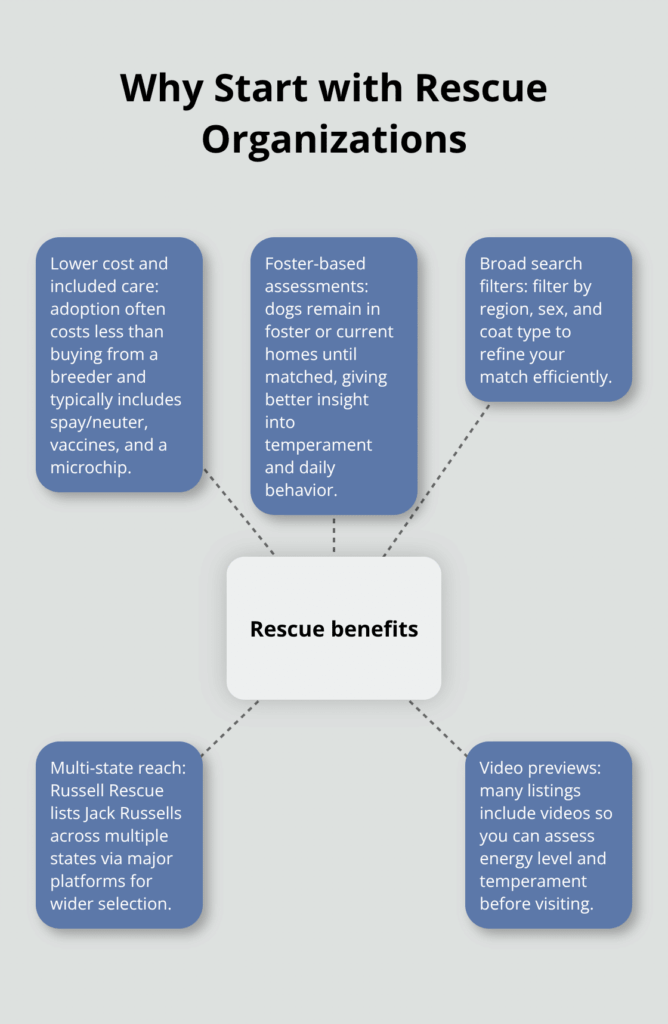
Rescue organizations should be your first stop, and here’s why: according to the AKC, most breed rescues report that the majority of dogs come from owner surrender due to lifestyle changes. Russell Rescue, a nationwide network of volunteers, lists adoptable Jack Russell Terriers across multiple states on platforms like Chewy’s Find Pets to Adopt. These dogs stay in foster homes or with their current owners until a suitable match emerges, and adoption typically costs less than buying from a breeder while including spaying or neutering, vaccines, and a microchip.
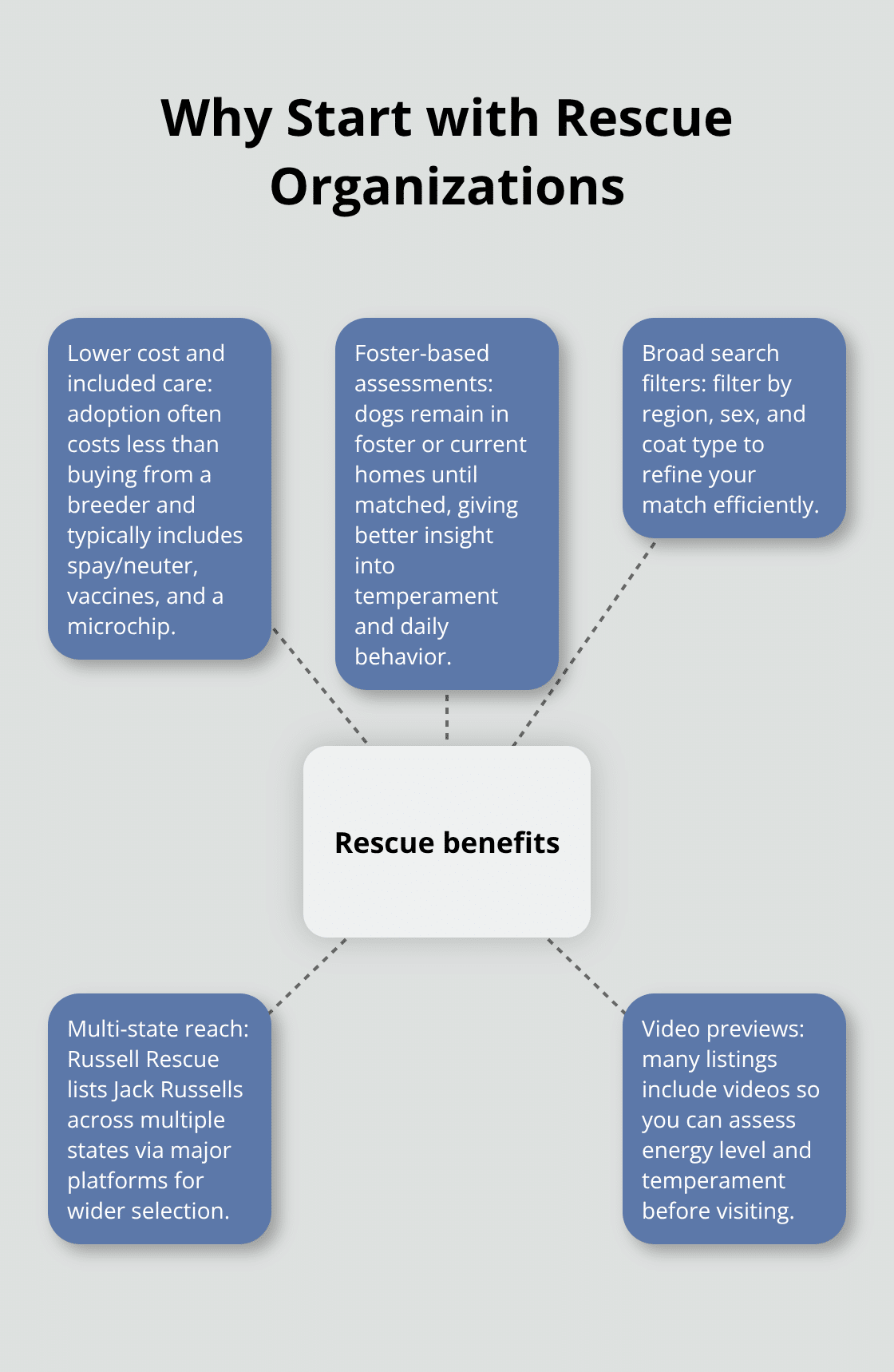
You can search by region, sex, and coat type on Russell Rescue’s site, and many listings include video previews so you can assess temperament before visiting.
Use Online Adoption Platforms
Chewy’s adoption platform aggregates thousands of dogs from shelters and rescues in its network, allowing you to filter by age, location radius, and compatibility with kids or other pets. Some listings indicate dogs are bonded pairs, which is worth considering if you want to adopt two at once. The advantage here is transparency: you get concrete details about each dog’s name, age, coat type, and state, plus the distance in miles from your location. Chewy’s 24/7 support includes free chat with a licensed vet tech for adoption health questions, which can help you evaluate whether a specific dog’s medical history raises concerns.
Evaluate Reputable Breeders Carefully
Reputable breeders exist, but they require serious vetting. The AKC breeder resource list provides guidelines to help you avoid puppy mills and scams, and visiting the breeder’s home to meet parent dogs is non-negotiable. Ask about health screenings for vision, brain, and heart-related conditions, and request veterinary records before committing. Online adoption platforms give you a middle ground by aggregating listings from both rescues and shelters, letting you compare options without contacting dozens of organizations individually.
Understand Your Options
The key difference between paths is speed and selection: rescue dogs are often already housebroken and past the puppy stage, while breeders and platforms give you more control over age and background. Your energy level and lifestyle should dictate which path makes sense. If you need assistance navigating applications or coordinating visits, help channels via phone and live chat are available around the clock. Once you’ve identified potential sources, the next step involves evaluating which specific dog or breeder aligns with your family’s needs and expectations.
Evaluating Adoption Sources Before Committing
Health Records Tell the Real Story
Health records matter far more than a breeder’s or rescue’s word. Request veterinary documentation showing spaying or neutering, vaccination dates, and any health screenings completed before adoption. For Jack Russell Terriers specifically, ask about health screenings for Jack Russell Terriers, as these conditions can emerge in the breed. Reputable rescues provide temporary veterinary care before placement, so their dogs should arrive with clear medical histories. Online platforms aggregate listings that often include health summaries, but contact the shelter or rescue directly to confirm what treatments were actually completed versus what’s planned post-adoption. Never accept verbal assurances alone.
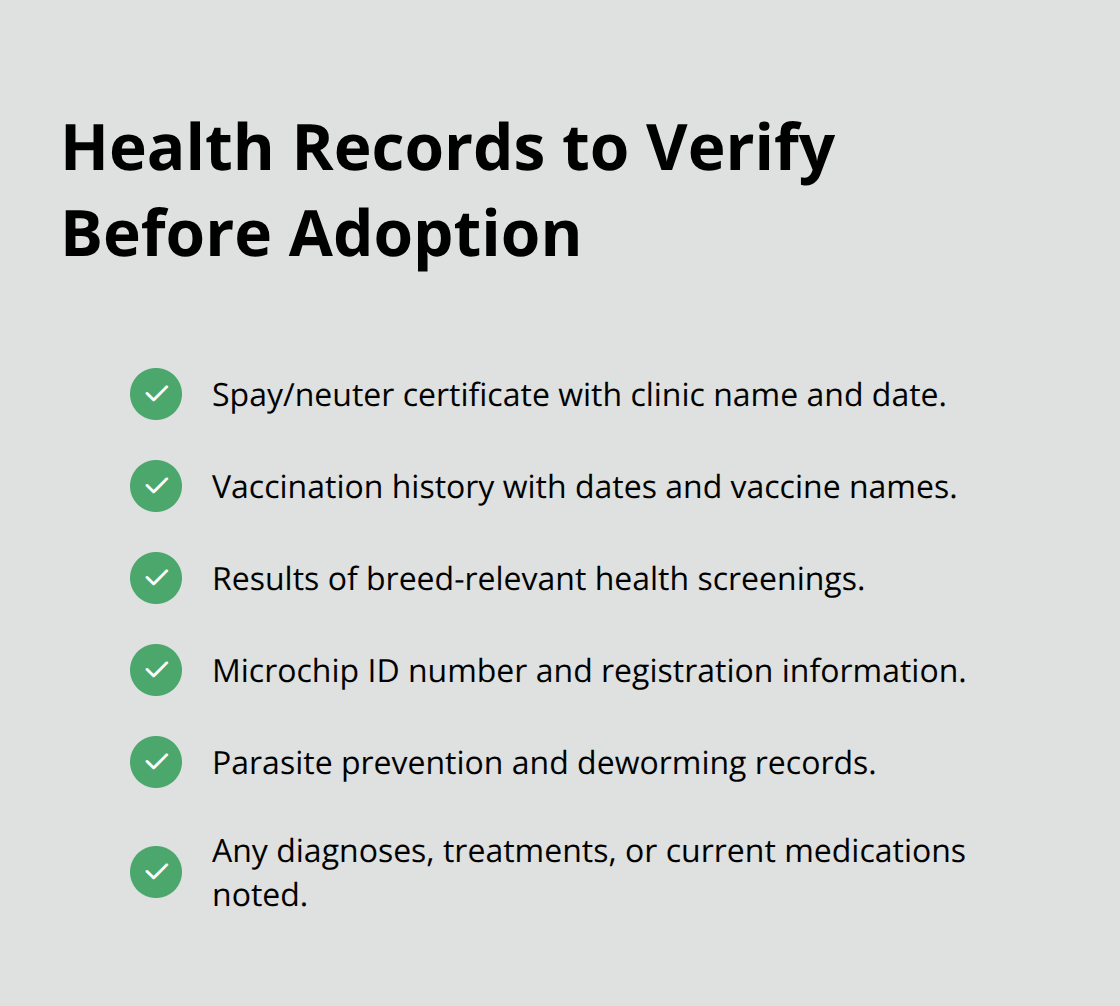
A rescue or breeder unwilling to share written records is a red flag worth taking seriously. Ask for copies of all veterinary reports and vaccination certificates before you commit to adoption. Responsible organizations hand over these documents without hesitation or delay.
Reputation Signals That Matter
Organization transparency reveals trustworthiness faster than marketing language. Nationwide rescue networks publish detailed dog listings across multiple states with concrete information about age, coat type, and current location, which demonstrates accountability. The AKC maintains a breeder resource list specifically to help you avoid puppy mills and scams, so cross-reference any breeder against that database. Read adoption reviews on platforms like Chewy, where past adopters describe their experience with specific rescues and the condition dogs arrived in.
Ask prospective breeders directly how many litters they produce annually; responsible breeders typically have one or two, not constant availability. Request references from previous adopters and actually call them. Most importantly, trust your instinct during any interaction. If a breeder discourages visiting their home, pressures you to decide quickly, or avoids questions about parent dogs’ health, walk away immediately.
Video and In-Person Meetings Change Everything
Many rescue listings include video previews, which let you assess a puppy’s energy, social comfort, and temperament without traveling first. Use these clips to gauge whether the dog matches your household’s activity level. Jack Russell Terriers show fearless and alert behavior from an early age, so watch for excessive nervousness or aggression, both of which require confidence-building training you may not be equipped to provide.
Schedule in-person visits only after reviewing health records and reputation signals. During the visit, observe how the dog responds to handling, unfamiliar people, and environmental changes. Reputable rescues and breeders will answer detailed questions about the parents’ temperament, training history, and any behavioral concerns. Ask specifically about prey drive in Jack Russell Terriers, as this affects their suitability for homes with cats or small pets (a critical consideration before adoption). Leave if the organization pressures you or limits your time with the dog.
Once you’ve evaluated health records, verified reputation, and met potential puppies in person, you’re ready to assess whether your home itself can support a Jack Russell Terrier’s specific needs and energy level.
Setting Up Your Home for a Jack Russell Terrier Puppy
Secure Your Space for High-Energy Dogs
Jack Russell Terriers need space designed around their specific behavioral traits, not generic puppy setups. These dogs are small but intensely active-standing 10–14 inches tall and weighing 13–17 pounds-yet they require more environmental planning than many larger breeds. Install a fenced yard if you live in a suburban or rural setting, since Jack Russells have strong digging and chasing instincts that will emerge within weeks of arrival. Wire fencing at least 4 feet high works, but bury it 8–15 inches deep because these dogs will burrow under obstacles. Indoors, block access to small spaces where they can hide or cause damage, and remove toxic plants, electrical cords, and anything smaller than a tennis ball they could swallow.
Establish Crate Training and Mental Enrichment
Set up a crate sized for their adult weight so they can stand and turn around but not eliminate in one corner. Jack Russells respond well to defined spaces, so a crate becomes their safe zone rather than punishment. Stock puzzle toys and interactive feeders before the puppy arrives; these dogs need constant mental stimulation or they redirect that energy into destructive behavior like chewing furniture or obsessive digging. Rotate toys weekly to maintain novelty and prevent boredom.
Start Training and Socialization Immediately
Training and socialization must start the day your puppy arrives, not weeks later. Jack Russells learn quickly but have an independent streak, so training sessions should be short (5–10 minutes), reward-based, and creative-avoid repetitive drills that bore them. Leash training is non-negotiable since these dogs have high prey drive and will chase small animals without hesitation; daily walks of at least 30–45 minutes are baseline, not optional. Introduce your puppy to other dogs gradually and only with dogs they’ll regularly encounter, as Jack Russells may struggle with unknown dogs but typically get along with familiar ones. Early socialization with children and other pets matters enormously, though the breed is not recommended for homes with children under 8 according to the Jack Russell Terrier Club of America.
Plan Realistic Veterinary and Food Costs
Budget realistically for veterinary costs: expect initial vaccines, spaying or neutering (typically $200–$500), microchipping ($25–$50), and annual wellness exams ($150–$300). Food costs run $30–$60 monthly for quality kibble, plus occasional treats and training rewards.
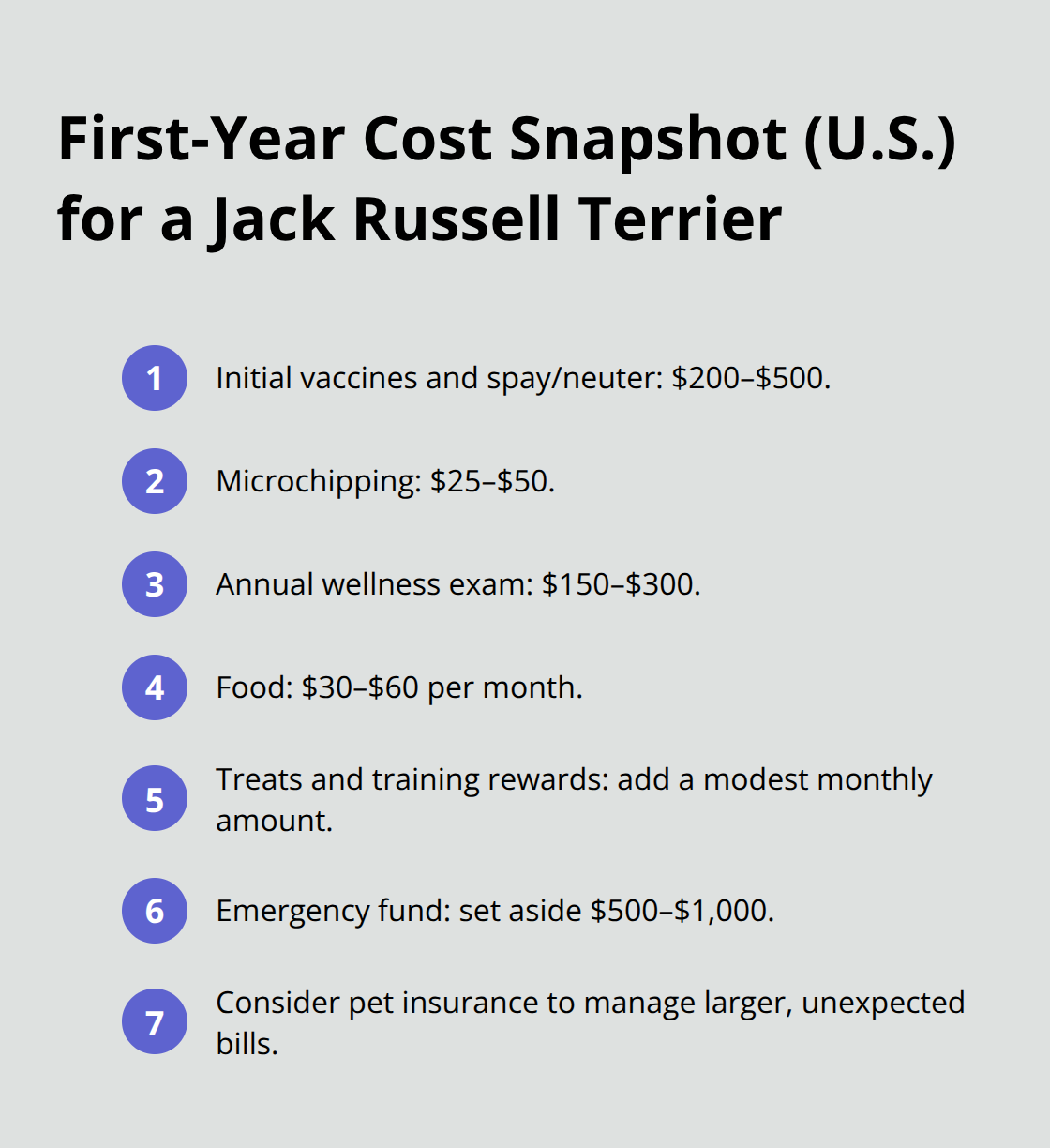
Set aside $500–$1,000 for unexpected health issues in the first year, and consider pet insurance from providers like Chewy’s CarePlus to manage costs for conditions like patellar luxation that can affect the breed. High-quality food formulated for small, active breeds prevents nutritional gaps that lead to behavioral problems and health decline.
Final Thoughts
Finding the right Jack Russell Terrier puppy adoption option requires patience, but the effort pays off when you bring home a dog that matches your lifestyle. Verify health records, check reputation signals, and meet puppies in person whenever possible. These steps separate responsible adoption from costly mistakes.
After adoption, your real work begins. Jack Russells demand daily exercise, consistent training, and mental enrichment from day one. These dogs thrive on structure and clear boundaries, so establish routines immediately rather than waiting for behavioral problems to emerge. Budget for veterinary care, quality food, and ongoing training support.
Schedule a veterinary checkup within days of adoption to confirm the health records you received and address any concerns. Start leash training and socialization right away, as Jack Russells develop habits quickly-both good and bad. We at DogingtonPost provide practical care tips and expert advice on dog health that extend far beyond adoption day, so visit our site regularly for guidance on training challenges and breed-specific information as your puppy matures.