

iHeartDogs is reader-supported. When you buy via links on our site, we may earn an affiliate commission at no extra cost to you.
Knowing what goes into your dog’s food is just as important as choosing a trusted brand. Certain dog food ingredients have been linked to poor nutrition, digestive issues, and long-term health concerns, making label awareness essential for pet owners. Understanding which ingredients to avoid in dog food can help support better digestion, stronger immunity, and overall wellness.
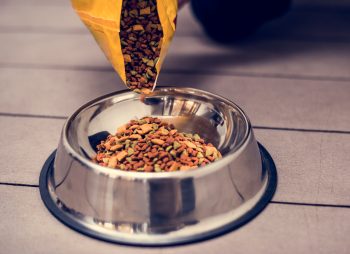
Ingredients That Offer Calories Without Real Nutrition
Related: Best Dog Foods Ranked
#1 – Added Colors
Artificial colors, such as Red #40 and Blue #2, are sometimes used in pet foods. Believe it or not, these colorings have been found harmful to people, and Red #40 has even been banned in the entire European Union as a possible carcinogen! If that doesn’t tell you something, I don’t know what does. But stay away from these ingredients in your dog’s food.
Read More about FDA Dye Ban
#2 – Beef Tallow
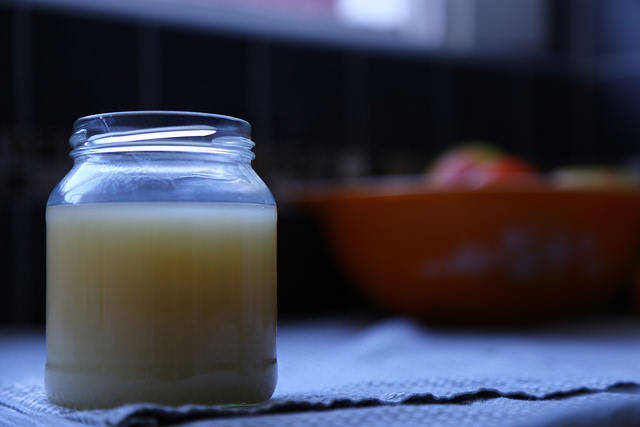
Beef tallow is simply beef fat, and holds no nutritional value for our dogs. Because fat brings in a lot of flavor, it’s often used in pet foods to make them more appealing to our furry friends. But keep in mind that it’s just another unnecessary, low-quality ingredient.
#3 – Corn Syrup
Corn syrup is another ingredient that’s bad for both humans and our pets. It’s an unnecessary ingredient with no nutritional value and only helps to sweeten your pet’s food. Just like sugar, pets can become addicted to eating corn syrup and refuse any nutritious meals. It’s like skipping dinner to get to your sugary dessert.
#4 – Whole Grain Corn
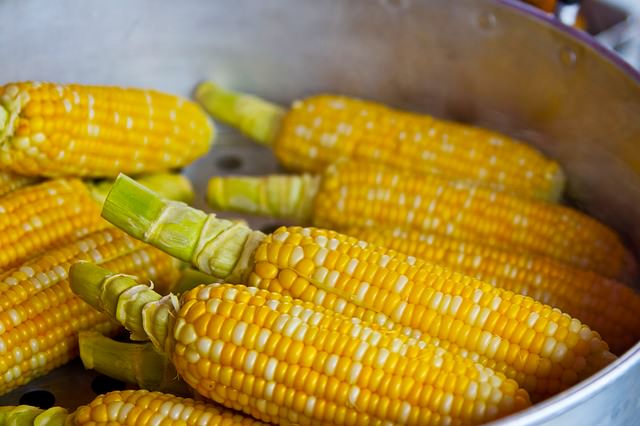
Not only is corn a common ingredient that pets are allergic to, it offers no nutritional value. We may think it sounds healthy because corn is a vegetable, but the corn in our pet foods really isn’t the delicious food you’re used to eating. Commodity corns are used in pet foods as a cheap filler; it only adds more sugar and artificially increases the protein count in pet foods. It’s best to avoid all varieties of corn ingredients.
#5 – Ethoxyquin
Don’t worry about how to pronounce ethoxyquin, just make sure you know how to find it in an ingredient list. Ethoxyquin is a very harmful preservative used in pet foods. It’s also used in making rubber and as a main ingredient in pesticides. Ethoxyquin has not been approved in the European Union or Australia, but is allowed and widely used in the United States, and has been linked to liver issues in pets.
#6 – Meat By-Product
Meat by-products really are not very meat-like once they reach pet foods. Meat by-products come from any part of the animal that was not approved for human consumption, including cancerous and rancid tissues. It’s unknown (often even by the pet food manufacturer) what type of animals these by-products come from, and there are some reports that sedatives and medications used for humane euthanasia have been found in pet foods containing meat by-products.
#7 – Meat & Bone Meal
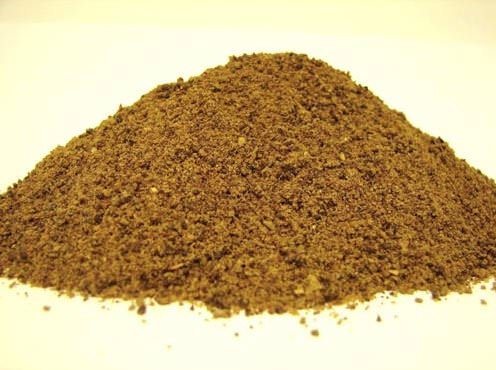
Meat and bone meal are very similar to meat by-products in that they hold no nutritional value and can generally come from anywhere. Meat and bone meals are essentially ground-up meat by-products, including bone, that were not deemed fit for human consumption. Rancid and cancerous tissues and bones are included in meat and bone meals.
#8 – Propylene Glycol
Aside from being used as a preservative and sweetener in pet foods, propylene glycol is the main ingredient in anti-freeze. Yes! A product that is widely known to be very toxic to our pets actually shares ingredients found in pet food. You always hear that anti-freeze tastes sweet, and that’s why our pets like to drink it. Doesn’t seem too odd that low-quality pet foods will use it in their ingredients as a sweetener, does it? Definitely avoid any foods containing propylene glycol in them.
#9 – Wheat Flour
Dogs did not evolve eating grains, and their bodies are not well-adapted to digesting them. Therefore, wheat flour offers zero nutritional value for our pets. Wheat flour is sometimes used as a source of protein to make the nutrition stats on the bag look better, but it really does more harm than good.
#10 – Wheat Gluten
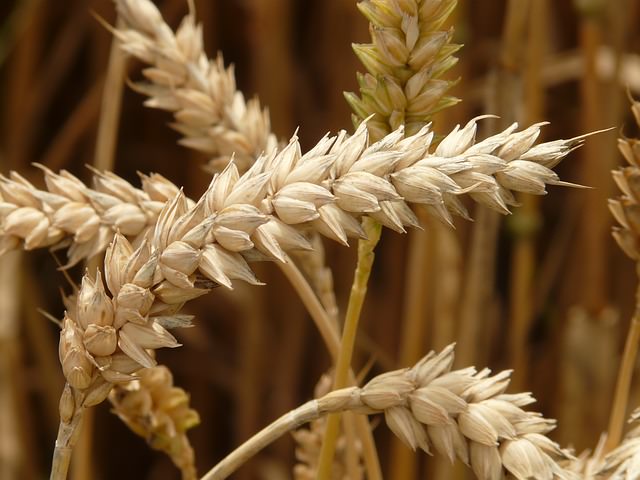
Another unnecessary ingredient, wheat gluten offers no nutritional value. Simply used as a cheap protein source and filler for dry pet foods, wheat gluten should be avoided. Being just another filler means that it does more harm than good.
Making Smarter Choices When Reading Dog Food Labels
Avoiding low-quality fillers, artificial additives, and questionable preservatives can make a meaningful difference in your dog’s daily nutrition. By focusing on clean ingredients and transparent labeling, pet owners can select foods that better support long-term health and vitality. Taking a closer look at ingredient lists empowers you to make confident, informed decisions for your dog’s diet.
iHeartDogs is reader-supported. When you buy via links on our site, we may earn an affiliate commission at no extra cost to you.
The post 10 Ingredients You NEVER Want To See In Your Dog’s Food appeared first on iHeartDogs.com.