
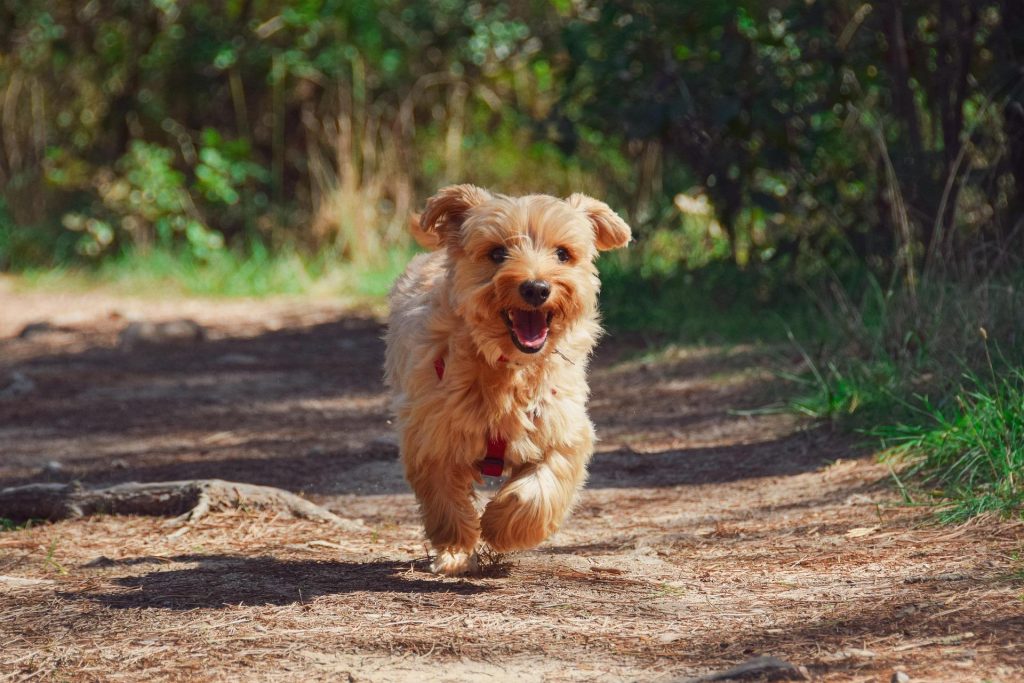
Watching dogs suffer from stomach issues can be really stressful for parents. Gastrointestinal problems are common in dogs, but understanding what causes them can help you protect your pup’s digestive health.
Dietary Troubles
One of the biggest causes of stomach problems is what your dog eats. Dogs love to explore the world with their mouths, which can get them into trouble. When they eat something they shouldn’t – like garbage, spoiled food, or things that aren’t food at all – it can upset their stomach badly.
Switching your dog’s food too quickly is another common mistake. Your pup’s digestive system needs time to adjust to new foods. If you change their diet suddenly, they might get diarrhea or vomiting. Always make food changes slowly over several days.
Too many treats can also cause problems. While it’s fun to spoil your dog, too many extra snacks can throw off their nutrition and upset their stomach. Veterinarians suggest keeping treats to less than 15% of your dog’s daily calories.
Foreign Objects and Blockages
Dogs sometimes swallow things that aren’t meant to be eaten – toys, socks, rocks, or bones. These objects can get stuck in their stomach or intestines, creating a dangerous blockage. This is a serious emergency that usually needs surgery to fix.
String, ribbon, or rope are especially dangerous because they can cause the intestines to bunch up like an accordion. This can create tears in the intestinal wall, leading to life-threatening infections.
Stress and Changes
Just like people, dogs can get upset stomachs when they’re stressed. Going to the vet, staying at a boarding facility, or big changes at home can all trigger digestive problems in sensitive dogs.
Infections and Parasites
Various germs can attack your dog’s digestive system. Viruses like parvovirus are especially dangerous for puppies. Internal parasites like worms are also common culprits that can cause ongoing diarrhea and other stomach issues.
Chronic Conditions
Some dogs develop long-term digestive problems like inflammatory bowel disease (IBD). This condition causes ongoing inflammation in the intestines, leading to symptoms like vomiting, diarrhea, weight loss, and changes in appetite. Certain breeds like Basenjis and Boxers are more likely to develop IBD.
Food allergies or intolerances can also cause chronic digestive upset. Some dogs have trouble digesting certain ingredients, leading to ongoing stomach problems.
Rich or Fatty Foods
While your dog might love that piece of bacon, rich and fatty foods can trigger a painful condition called pancreatitis. This happens when the pancreas becomes inflamed, causing severe stomach pain, vomiting, and loss of appetite.
Natural Prevention Strategies
Digestive Support Through Diet
- Add small amounts of plain pumpkin (not pie filling) to meals – it’s rich in fiber and can help with both diarrhea and constipation
- Consider adding bone broth to your dog’s diet for digestive support and hydration
- Incorporate easily digestible proteins like lean chicken or fish
Probiotics and Prebiotics Healthy gut bacteria play a huge role in digestive health. You can support this naturally by
- Using veterinary-approved probiotics designed for dogs
- Adding small amounts of plain, unsweetened yogurt with live cultures
- Including prebiotic-rich foods like sweet potatoes in moderation
Stress Management Since stress can trigger digestive upset
- Maintain consistent feeding schedules and routines
- Provide a calm eating environment
- Use puzzle feeders to slow down fast eaters
- Consider calming supplements like chamomile (with vet approval)
Complementary Treatment Options
Herbal Support (always consult your vet first)
- Slippery elm bark can help soothe irritated digestive tracts
- Ginger in very small amounts may help with nausea
- Chamomile tea (cooled) can have calming effects
Natural Digestive Aids
- Digestive enzymes may help dogs who have trouble breaking down food
- Small amounts of plain, cooked rice can be gentle on upset stomachs
- Bone broth provides electrolytes and is easy to digest
Environmental Changes
- Elevated food bowls for dogs prone to gulping air
- Multiple smaller meals instead of one or two large ones
- Remove access to garbage, compost, and other tempting but harmful items
While these natural approaches can be helpful, it’s crucial to remember some herbs and supplements can interact with medications or may not be safe for all dogs. Your veterinarian is the best person to assess the individual condition of your furry companion.
Always start with small amounts of any new food or supplement, and watch for any negative reactions. If your dog has ongoing digestive issues, chronic diarrhea, blood in stool, or seems unwell, these natural remedies won’t address underlying medical conditions that need professional treatment.
Holistic veterinarians can help you create a safe, effective plan that works alongside any medical treatment your dog might need
When to See Your Veterinarian
If your dog has mild diarrhea but is otherwise acting normal, you can try feeding a bland diet of boiled chicken and rice for a day or two. However, you should contact your veterinarian if the diarrhea lasts more than 48-72 hours, if there’s blood in the stool, if your dog is vomiting, or if they seem lethargic or won’t eat.
Remember, you know your dog best. If something seems wrong, trust your instincts and get professional help. Your veterinarian can properly diagnose the problem and recommend the best treatment to get your furry friend feeling better.
The post Common Causes of Gastrointestinal Problems in Dogs appeared first on Animal Wellness Magazine.